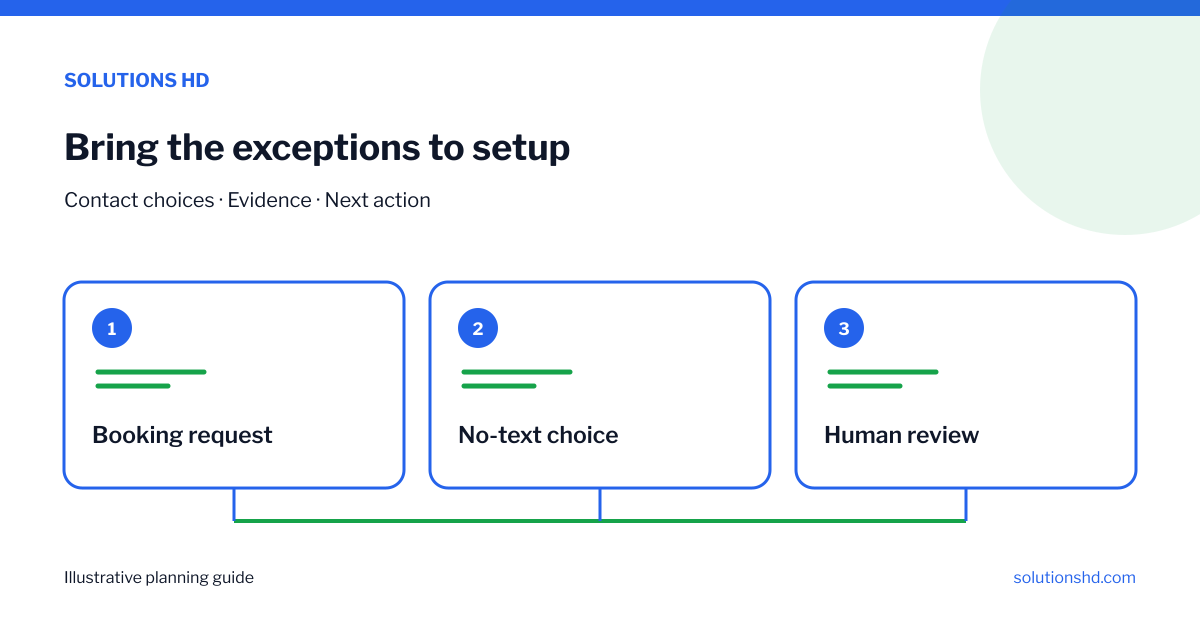
Check the Permission Path Before Picking a Standard Agent
Bring three contact-permission cases to standard-agent setup and verify how the selected flow handles each exception.
Read the post →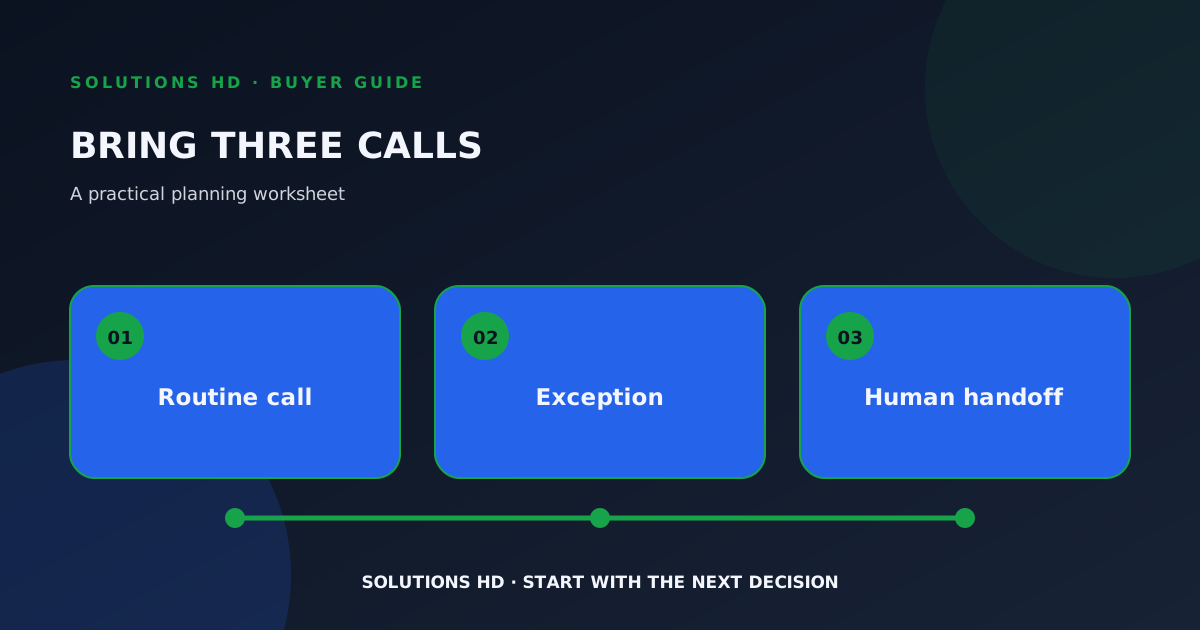
Bring three real call examples to a standard-flow conversation
Prepare one routine call, one exception, and one handoff example before discussing a standard inbound phone path.
Read the post →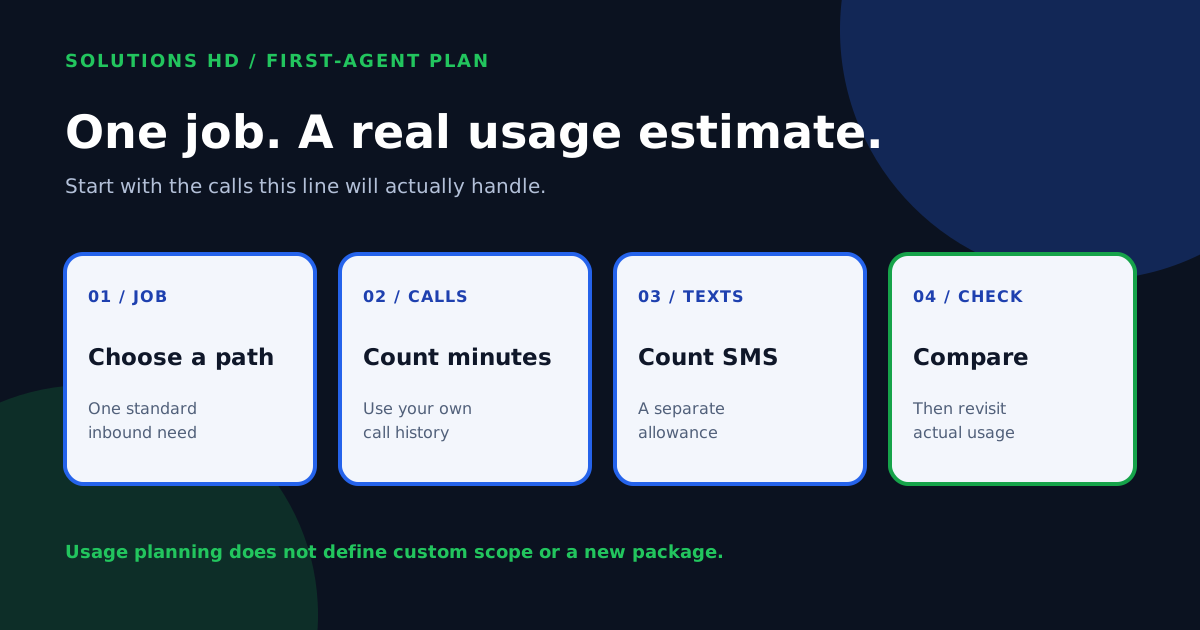
Estimate usage for your first inbound phone agent
Use one clear inbound job and your own call history to plan minutes and texts without inventing package scope.
Read the post →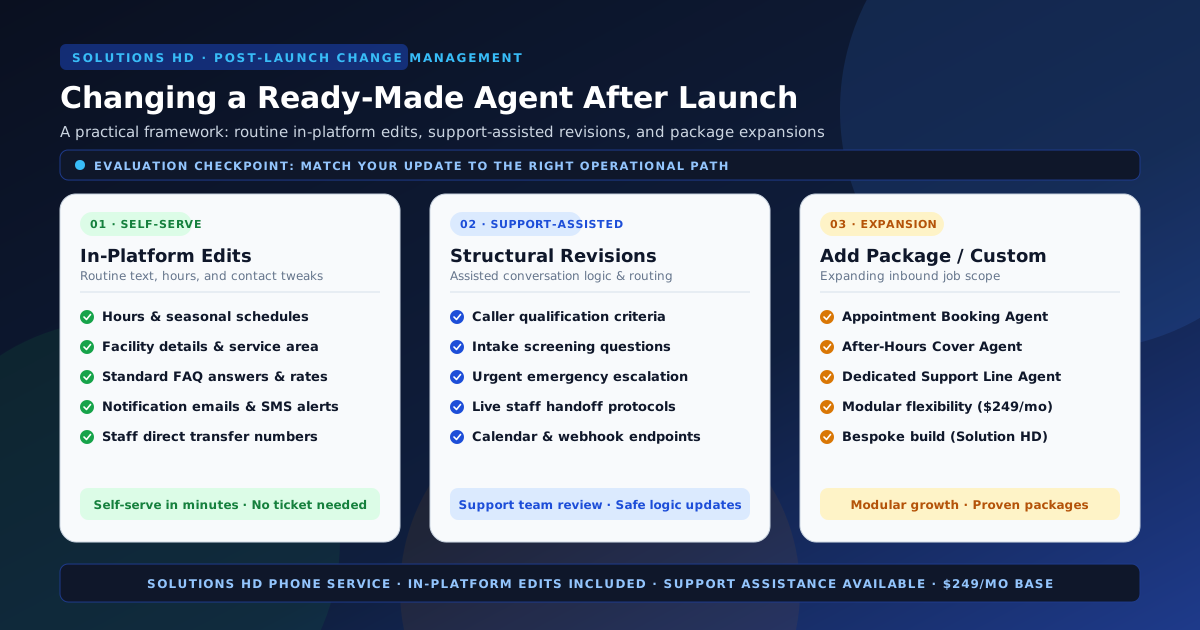
Changing a Ready-Made Agent After Launch
How to decide whether an inbound call flow update can be made in-platform or needs support assistance after launching your ready-made phone agent.
Read the post →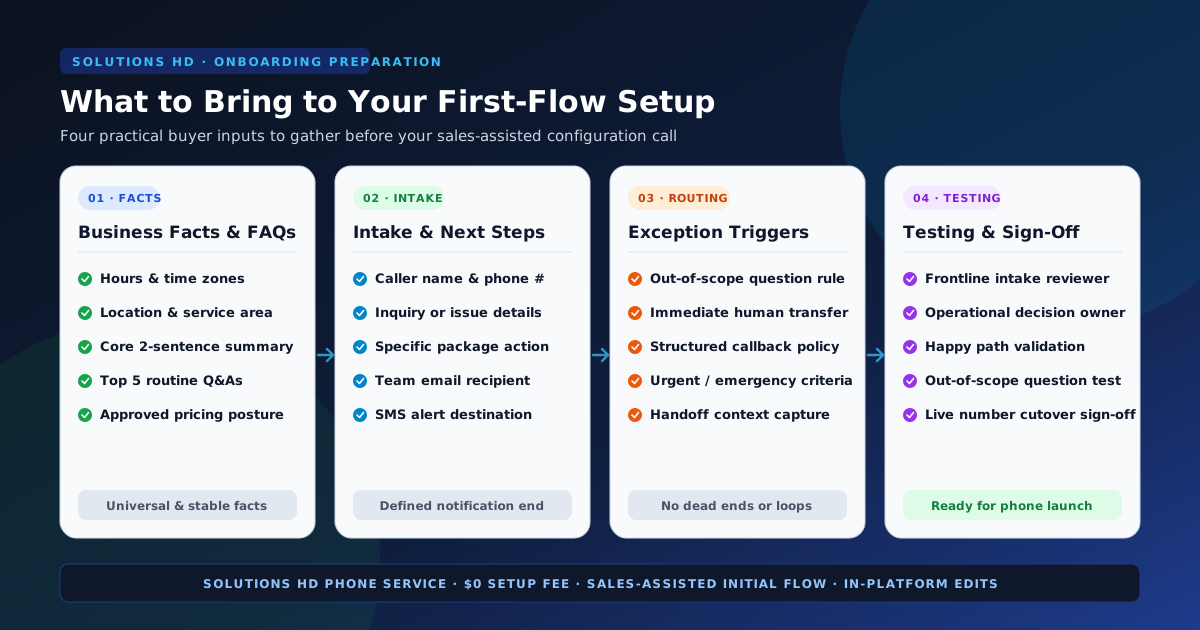
What to Bring to a Ready-Made Agent's First-Flow Setup
Gather your business facts, standard questions, next-step choices, and exception rules to prepare for a smooth sales-assisted phone agent setup.
Read the post →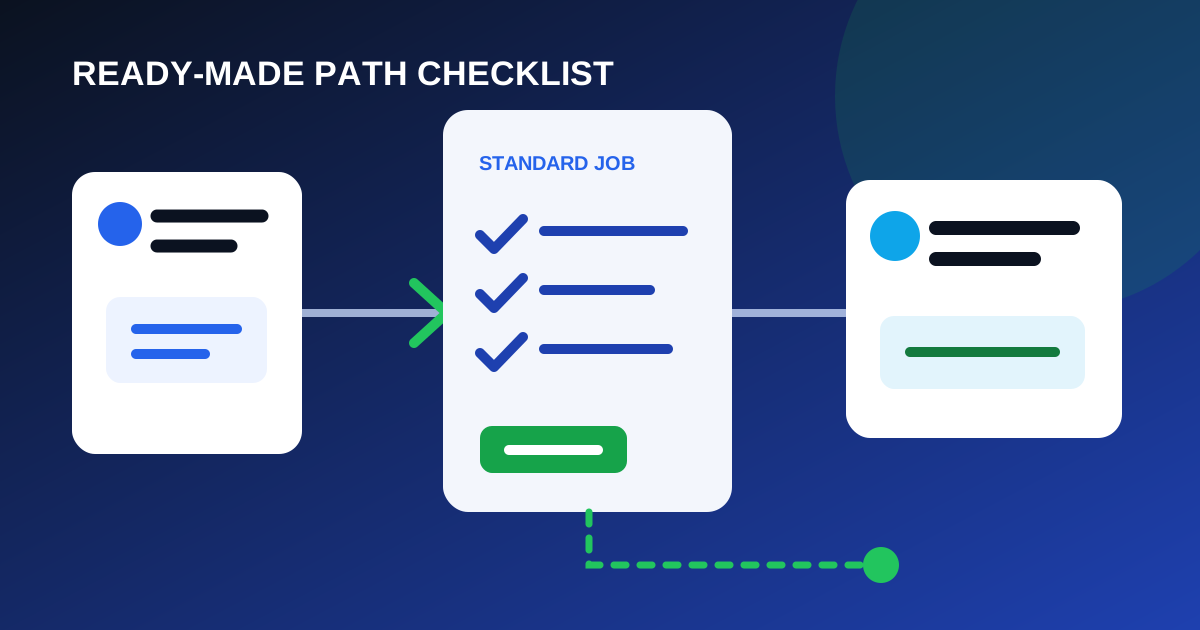
A ready-made agent checklist for common inbound jobs
A practical checklist for matching common inbound jobs to standard questions, next steps, and exceptions.
Read the post →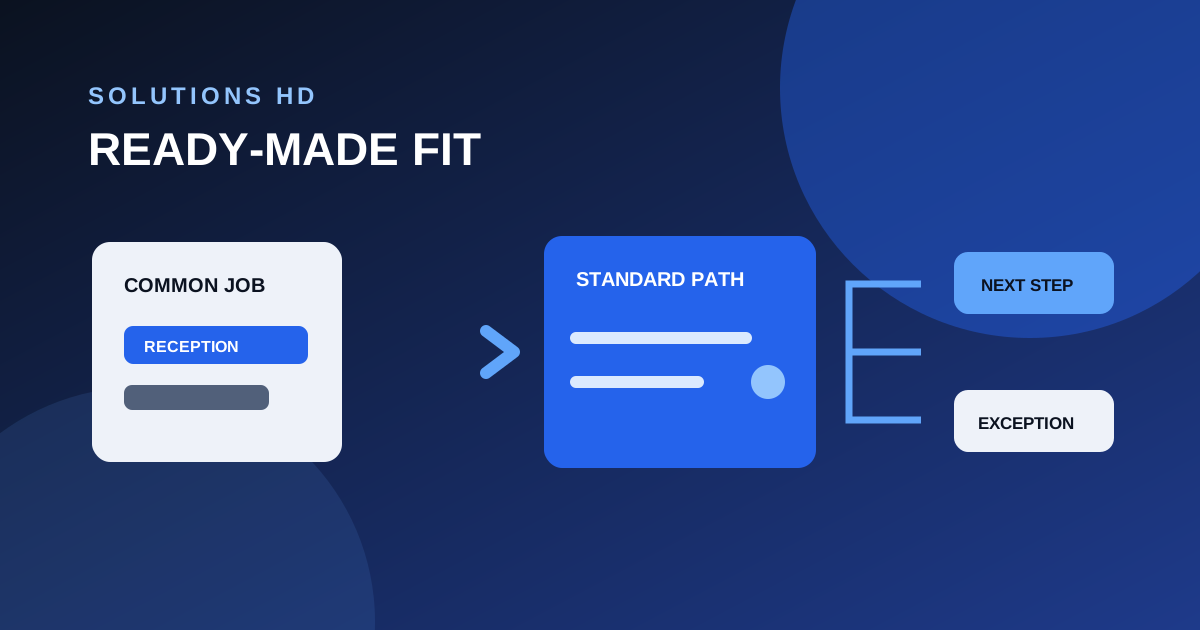
When a ready-made inbound path is a better fit than a custom build
A practical way to decide whether a common inbound job and clear exceptions make a ready-made starting point the right fit.
Read the post →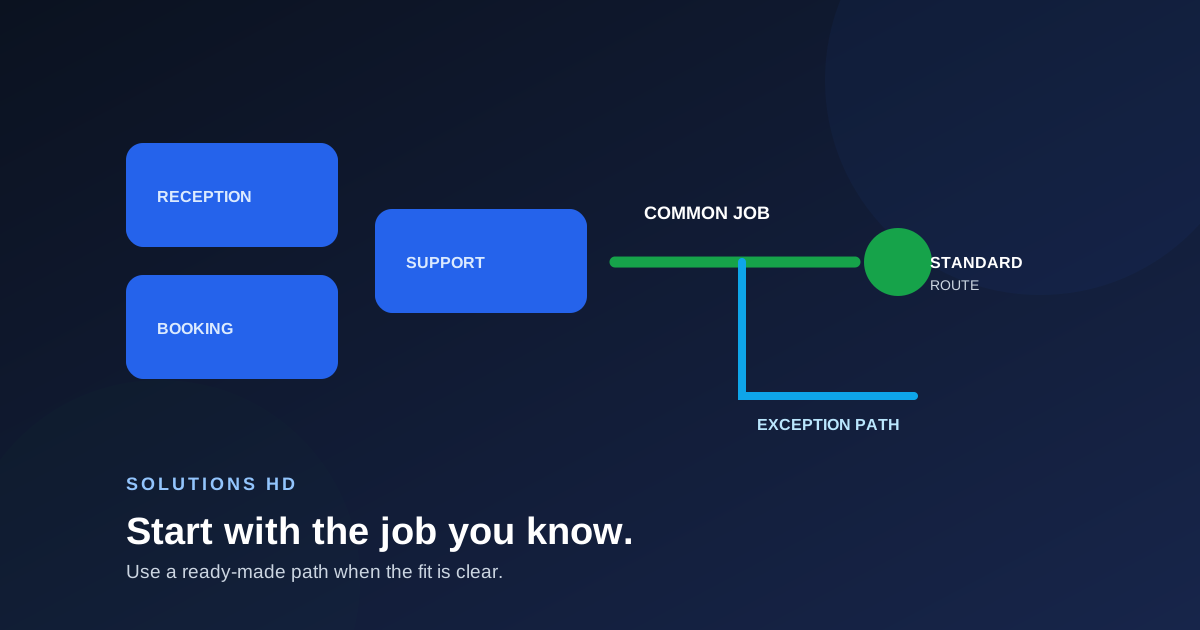
When a ready-made inbound package is the right fit
How to decide if a familiar inbound job, standard route, and manageable exception path are a good fit for a ready-made agent.
Read the post →
Define the exception path before you pick a package
Choose the common inbound job and decide which calls should follow another route.
Read the post →
Choose the job your inbound line needs to do
How a ready-made catalog of inbound AI phone agents helps businesses choose the right package and go live faster.
Read the post →