When a ready-made inbound path is a better fit than a custom build
A standard inbound job can be a strong starting point when the common path is clear and the team knows where an exception belongs.
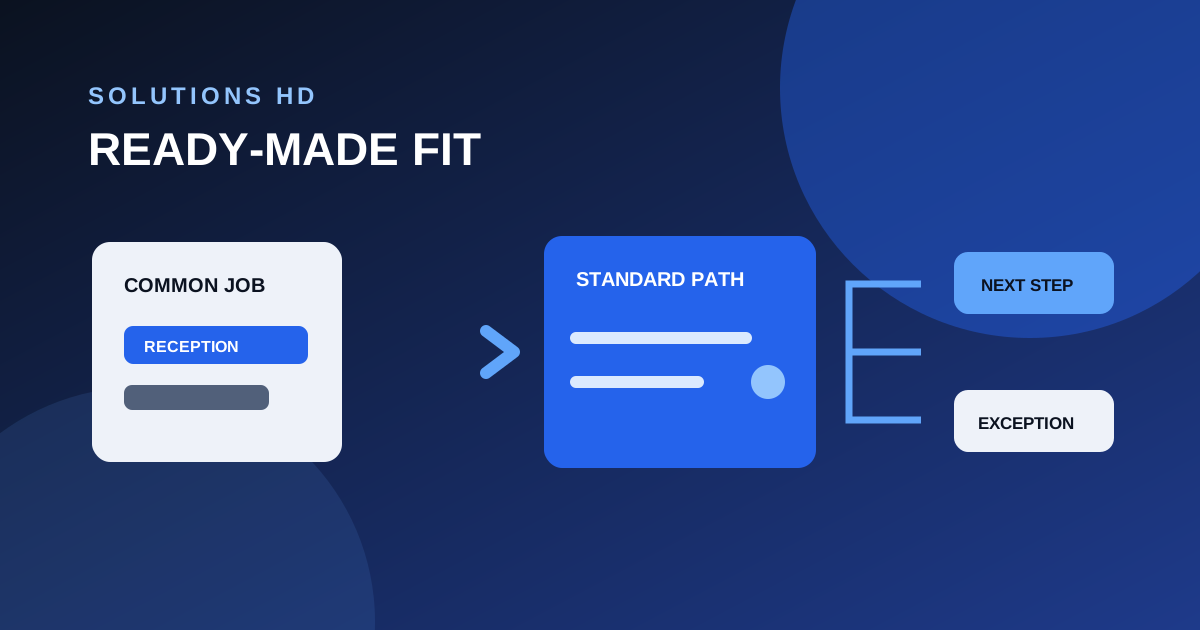
A business does not need a custom build simply because it wants its inbound calls handled thoughtfully. A ready-made path can be a useful fit when the team has a common job to solve—such as reception, booking, support, or overflow—and can describe the calls that should take another route.
Start with the common job
The right starting point is the call type the business wants handled consistently. A standard path can give that job a clear structure for approved questions, routine next steps, and an understandable handoff. The goal is not to flatten every conversation into one script; it is to make the recurring work easier to recognize.
- Name the inbound job that occurs most often
- Define the approved questions and next action for that path
- Identify calls that should move to another route or person
- Review whether the common job is still the right starting point
Keep the exception visible
A ready-made path is most useful when its boundary is clear. If a call needs a different conversation, the business can define an exception route instead of asking the standard flow to guess. That lets the common path stay simple while keeping the team in control of the calls that need more attention.
A ready-made path is a fit when the business can name the common work and the moment it should become something else.
Choose clarity before complexity
Package names, prices, inclusions, and launch timing should be confirmed separately. The buyer decision comes first: is there a stable inbound job that a configured standard path can address? If so, a ready-made starting point may be more useful than creating a custom flow for routine work.
Solutions HD helps businesses choose a ready-made inbound starting point for common call jobs. See How It Works, explore the FAQ, or talk through the job your line needs to do.